

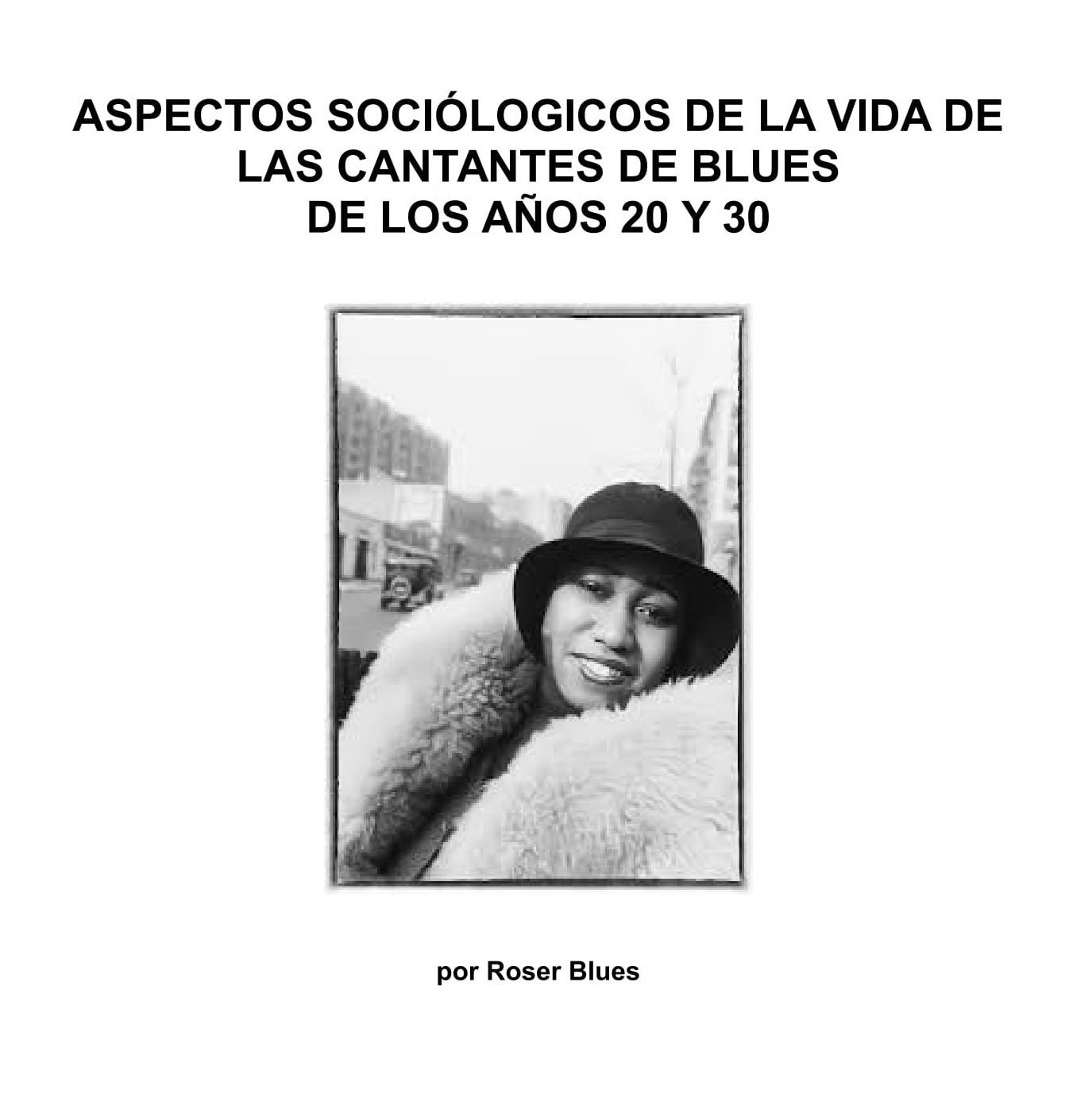
Women, Blues and History: Rediscovering the Voices of the 1920s and 1930s
The history of the blues is filled with extraordinary female voices whose music not only helped shape the development of the genre, but also offered a remarkable window into the social realities of their time. This important chapter of blues history was at the centre of a special lecture prepared by European Blues Union Board member Roser Infiesta, together with her husband Vicente Zumel.
The lecture, entitled “Sociological Aspects of the Life of Female Blues Singers of the ’20s and ’30s,” was part of a series of events organised throughout July and September on Wednesdays by the Barcelona Blues Society and Tecla Sala Library.
Roser Infiesta explored the lives and experiences of the classic female blues singers of the 1920s and 1930s, placing their careers within the wider social context of African American women during a period of profound change in American society. Rather than looking at these artists only through the history of their music, the lecture examined what their songs can tell us about their everyday lives, relationships, struggles, ambitions and the social environment in which they lived and worked.
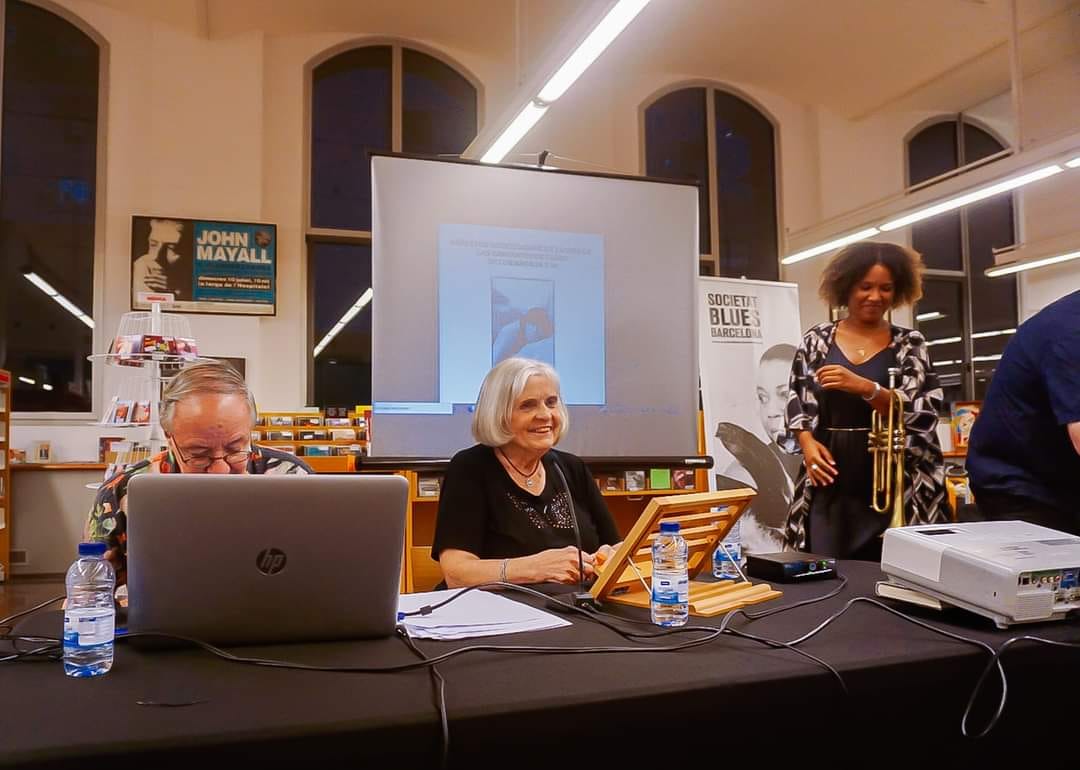
The lyrics themselves became an important historical source. Through selected examples from the songs performed by these pioneering women, Roser showed how the blues could give voice to experiences that were often overlooked or excluded from more traditional historical narratives. Their music provides a unique perspective on issues such as gender, relationships, independence, work and social expectations, while demonstrating the extraordinary strength and individuality of the women who created it.
Vicente Zumel contributed to the presentation by carefully selecting the photographs and musical examples that illustrated Roser’s words. The combination of images, recordings and commentary helped bring these remarkable artists and their world back to life, creating a vivid journey through the history of classic blues.
The event also featured a live musical performance, adding another dimension to the lecture. Miriam Aparicio on piano and vocals, Memi Sillah on trumpet and voice, and Matías Miguez on bass performed a selection of songs originally associated with some of the women discussed during the presentation.
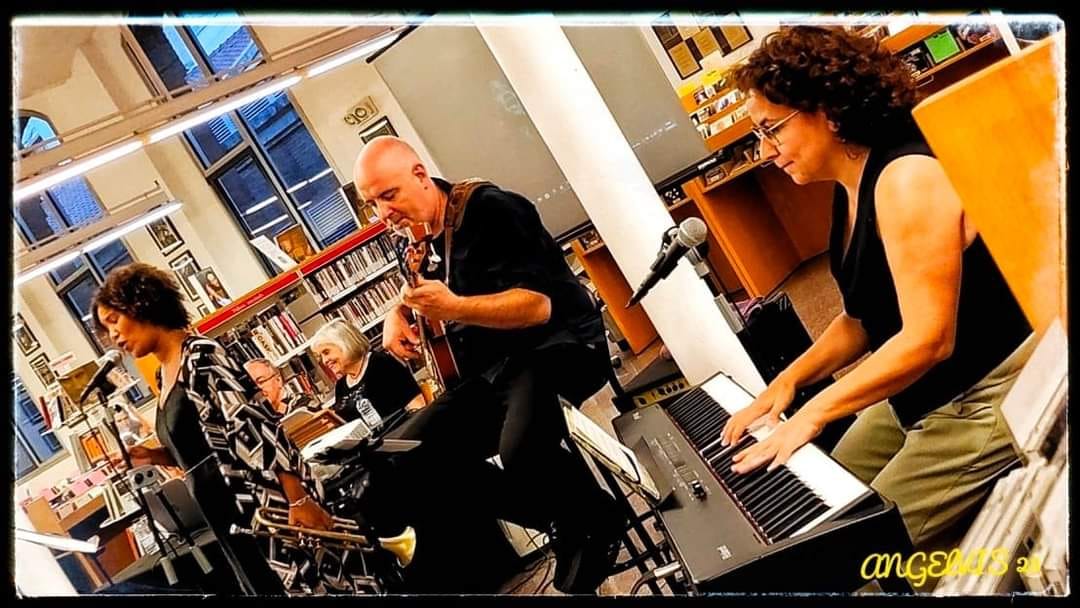
This combination of historical research and live music perfectly reflected the spirit of the event: the blues is not simply something to be studied as a musical genre, but a living cultural heritage whose stories continue to speak to audiences today.
By exploring the voices of the women who helped define the blues during the 1920s and 1930s, Roser Infiesta’s lecture offered an opportunity to rediscover an essential part of blues history and to appreciate these artists not only as singers and performers, but also as women whose words documented their own lives and the society around them.
For the European Blues Union, initiatives such as this are an important part of keeping blues history alive. Research, education, listening and live performance all contribute to a deeper understanding of the music we love — and to ensuring that the pioneering women whose voices helped shape the blues continue to be heard by new generations.





Comments are closed